
No products in the cart.
Firstly, a hydroponic drip system is one of the most widely use methods for hydroponically growing plants. Because of how the nutrients are given, this method of growth is somewhat different from ebb and flow, DWC. Further, and aeroponic systems. To discover everything there is to know about drip hydroponics, keep reading.
Which hydroponic drip system is best for me?
When choosing a hydroponic drip system, you need to think about what you want to do with your grow. If you just want a few plants, the system you should use will be much different. Than that of a commercial grower.
What is a hydroponic drip system?
As the name implies, a hydroponic drip system continually feeds nutrient solution. Further, to the root zone via drippers without aggressive flooding and draining. Sometimes referrd. To as a hydroponic irrigation system, are considerd an active system. And are popular with new growers and professionals around the world because it is versatile and efficient.
How does a hydroponic drip system work?
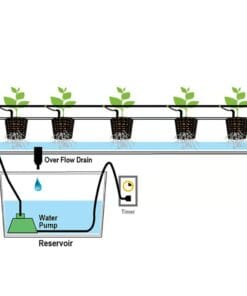
A hydro drip system works using many of the same components as other complete hydroponic systems. Plants are housd in a grow tray or flood table, and a hydroponic reservoir contains. The nutrient solution underneath. An air pump and air stone aerate the reservoir, ensuring proper oxygen levels.
Hydroponic drip system
A water pump sends the nutrient solution up through a drip manifold. Which has a number of drip lines corresponding to the number of plants in your system. These drip lines slowly feed the plants. And a timer regulates the water pump to ensure plants don’t drown.
Like an ebb and flow system, this cycle occurs a few times a day. Spacing out feeding cycles to achieve maximum nutrient absorption by the plants.
A hydroponic grow media is requird for use in drip hydroponics, and the medium needs to breathe. This is why the cycles occur a few times a day instead of all at once.
What are the advantages and disadvantages of drip irrigation?
Hydroponic drip systems are one of the more efficient hydro systems available. Also because the grower can control exactly how many drops of water plants get. There is almost no evaporation lost since feeding cycles are in such small, precise doses.
These hydro systems can be greatly automatd, freeing you from constantly monitoring your grow room or greenhouse. The water pump and timer keeps the irrigation system running whether you are there or not.
Meanwhile, large commercial grow rooms and greenhouses will see the greatest results from drip systems. Especially from an efficiency standpoint. The drip hoses can be very long, and drip manifolds can feed a number of plants at once. Cutting down on the number of hydroponic systems needd.
A common issue with these systems is hoses getting clogged. It is important to use a hydroponic nutrient package with these. As other nutrient types (especially organic) can lead to more clogs.
Be sure to clear drip lines regularly to keep issues from arising. If nothing else, we recommend a monthly flush out to remove any built up minerals. And algae in the pipes and hoses.
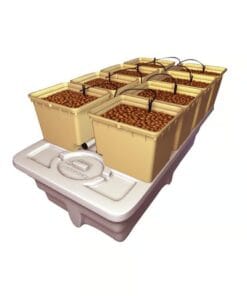
Hydroponic Drip Systems
$325.00
Hydroponic Drip Systems
$466.00
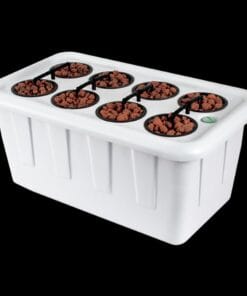
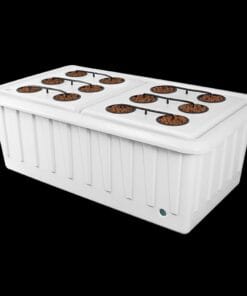
Hydroponic Drip Systems
Price range: $224.00 through $399.00