
No products in the cart.
Hydroponic Reservoirs & Tanks: Everything You Need to Know
What is a Hydroponic Nutrient Reservoir?
Hydroponic Reservoir is crucial for any hydroponic system. It stores and circulates the nutrient-rich solution that feeds your plants. Besides holding nutrients and water, it also houses the water pump, an air stone or diffuser, and often a lid to keep contaminants out.
For effective hydroponic gardening
Choosing the Right Size Reservoir
For effective hydroponic gardening
For effective hydroponic gardening
it’s important to select a reservoir size that can meet the needs of your entire grow area. Common sizes include:
- 10 Gallon Hydroponic Reservoirs
- 20 Gallon HR
- 30 Gallon HR
- 40 Gallon HR
- 50 Gallon HR
- 60 Gallon HR
- 70 Gallon HR
- 100 Gallon HR
- 200+ Gallon HR
Importance of Aeration
Plants need oxygen to thrive, so proper aeration in your HR is essential. Use air pumps and air stones to keep the nutrient solution well-oxygenated. This improves nutrient uptake and supports healthy plant growth.
Optimal Temperature for Hydroponic Reservoirs
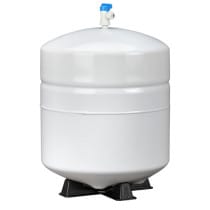
Maintaining the right temperature is key to plant health. Keep your nutrient solution between 65-75°F. Temperatures that are too high or too low can hinder plant growth. Use a water chiller in summer and a reservoir heater in winter to maintain a stable temperature.
Hydroponic Reservoir Maintenance
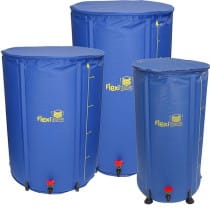
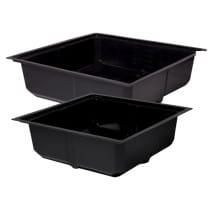 Regular maintenance is vital for a healthy hydroponic garden. This includes:
- Water Changes: Replace the water periodically to keep it fresh.
- pH and PPM Testing: Consistently check and adjust pH and PPM or EC levels to avoid plant stress and ensure optimal growth.
By keeping your hydroponic reservoir in top condition, you’ll support a thriving, productive garden.
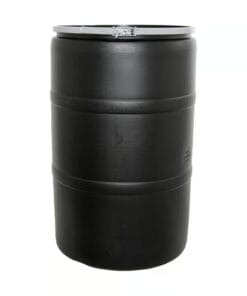
Hydroponic Reservoirs & Tanks
$141.04
Hydroponic Reservoirs & Tanks
$13.50


Hydroponic Reservoirs & Tanks
Price range: $45.51 through $155.11
Hydroponic Reservoirs & Tanks
Price range: $65.79 through $241.55
Hydroponic Reservoirs & Tanks
$15.00
Hydroponic Reservoirs & Tanks
Price range: $36.10 through $91.26


Hydroponic Reservoirs & Tanks
Price range: $87.60 through $303.78
Hydroponic Reservoirs & Tanks
Price range: $63.65 through $186.77
Hydroponic Reservoirs & Tanks
Price range: $134.96 through $179.96

Hydroponic Reservoirs & Tanks
Price range: $44.99 through $224.99

Hydroponic Reservoirs & Tanks
$11.50

Hydroponic Reservoirs & Tanks
Price range: $24.95 through $182.11