
No products in the cart.
Cold Water Extractions
At Farmhydrosupplies, Cold water extraction (also calld CWE) is the process whereby. A substance is extractd from a mixture via cold water. It is a type of fractional crystallization. The process generally involves taking a mixture of substances, dissolving them in warm water. And then rapidly cooling the mixture.
In this work, Cold Water Extraction (CWE) was performed on blendd cement pastes to extract the pore solution. And determine the free alkali metal content. To better understand CWE results. The reactivity of cementitious materials was also investigated, complementd by TGA and quantitative XRD analysis. The study aime at being generic to assess the suitability of the methods. And includd 9 SCMs with various compositions: limestone, coal fly ash, two calcind clays. Two biomass ashes, sewage sludge ash, crushe brick and glass beads.
One such method, cold water extraction, offers unique benefits that are worth exploring. This blog post will delve into the details of what cold water extraction is and how it operates. We’ll discuss the step-by-step procedure to perform this technique efficiently and effectively. Cold Water Extractions
Further, the study highlighted the importance of assessing the reactivity of SCMs in parallel to performing CWE. Meanwhile, as this contributes to a more certain interpretation of the results,. In general, the results obtaind with CWE were consistent with the existing literature. About the effect of binder composition on the free alkali metal content. From a practical view, CWE and SCM reactivity tests could be performd with basic laboratory equipment. And appeard to be applicable to both traditional and alternative SCMs.
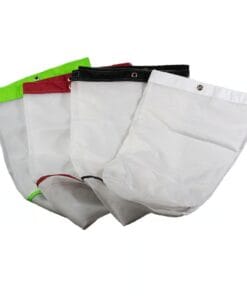
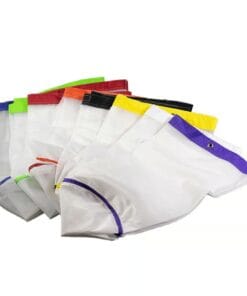
Cold Water Extractions
Price range: $360.00 through $950.00
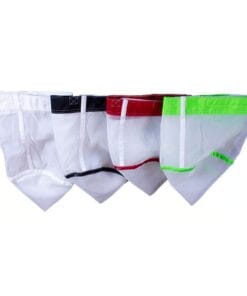
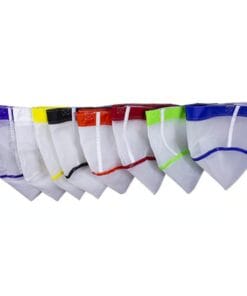
Cold Water Extractions
Price range: $340.00 through $1,600.00
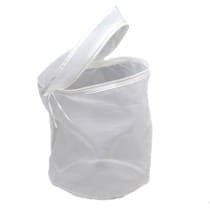
Cold Water Extractions
Price range: $48.00 through $98.00
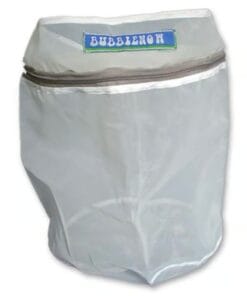
Cold Water Extractions
Price range: $83.00 through $118.00
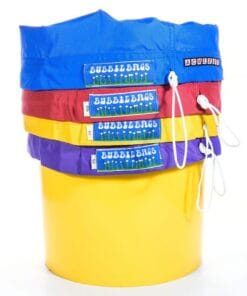
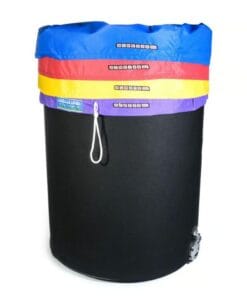
Cold Water Extractions
Price range: $205.00 through $1,000.00
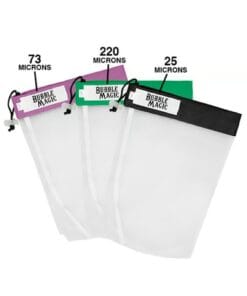
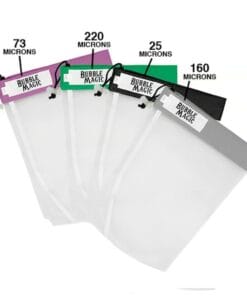
Cold Water Extractions
Price range: $38.00 through $155.00
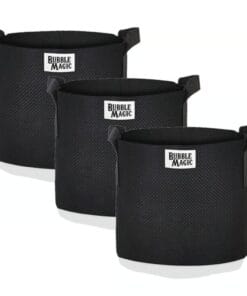
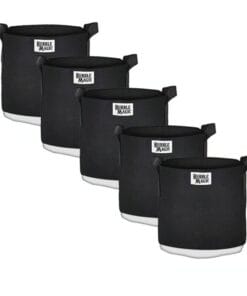
Cold Water Extractions
Price range: $40.00 through $228.00
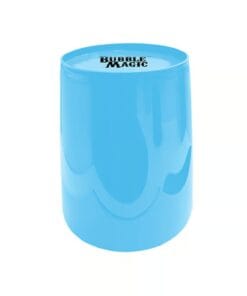
Cold Water Extractions
$11.00
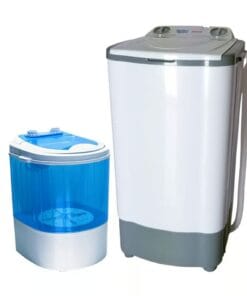
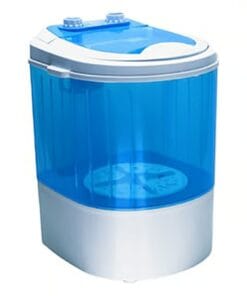
Cold Water Extractions
Price range: $150.00 through $300.00
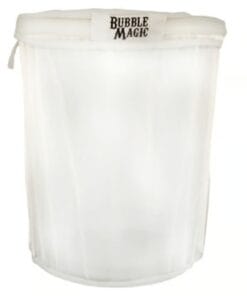
Cold Water Extractions
Price range: $30.00 through $50.00
Cold Water Extractions
$10.00
Cold Water Extractions
Price range: $28.00 through $45.00