
No products in the cart.
Grow Trays & Flood Tables
Hydroponic Reservoir Maintenance
Meanwhile, You’ll need to put an emphasis on maintaining your hydroponic if you want to keep your garden in top shape. This goes beyond simply topping off the hydroponic reservoir from time to time.
You’ll need to change the water out completely from time to time to keep everything fresh. Another responsibility of maintaining your reservoir is testing the pH and PPM or EC consistently. If your reservoir falls out of whack, your plants will suffer.
Plants require oxygen so don’t skimp on aeration.
Frstly Dissolvd oxygen is extremely important for plant health, and the way to attain this is to continually aerate the mixture in the hydroponic tanks. The most common method for increasing oxygen levels is powered aeration with air pumps and air stones. Good aeration promotes nutrient uptake and aids in the growth of beneficial organisms.
What is a hydroponic nutrient reservoir?
Any hydroponic system’s foundation is its hydroponic reservoir tank. The hydroponic fertiliser solution, after all, is what keeps your hydroponic garden alive and flowing.
The hydroponic reservoir has many purposes than merely storing water and nutrients. The water pump, an air stone or diffuser, and occasionally a lid or cover to stop pollutants from getting into the nutritional solution are all housed in the reservoir.
How big should my hydroponic reservoir be?
Like with many aspects of hydroponic gardening, it is encouraged to size up on your system, as to ensure you can adequately feed your entire grow room.
Common sizes of hydroponic water reservoirs:
10 gallon hydroponic reservoirs
20 gallon hydroponic reservoirs
30 gallon hydroponic reservoirs
40 gallon hydroponic reservoirs
What is the best temperature for a hydroponic reservoir? Grow Trays & Flood Tables
Moreover, Plants have a very specific temperature range they perform best in. If the temperature is too low, plants will think the season is ending and will stop growing. If the temperature rises too high, plants will be unable to hold onto oxygen and growth will slow. Hydroponic Reservoirs & Tanks
Keep the nutrient solution in the reservoir between 65-75 degrees Fahrenheit.
Further, In any hydroponic tank or reservoir you’re going to have to constantly monitor the temperature to maintain a safe level for plant growth and health. During the summer months, you will need to use a water chiller, and during the winter months, a reservoir water heater will need to be used to keep a balanced, constant temperature.
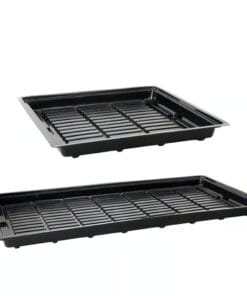
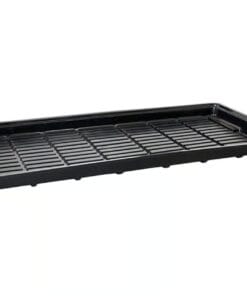
Grow Trays & Flood Tables
Price range: $355.94 through $3,102.95
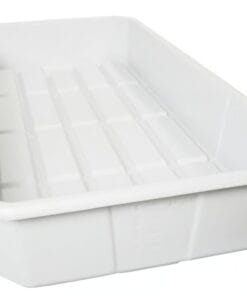
Grow Trays & Flood Tables
Active Aqua Flood Table for Tents, Outer Dimensions 22×45 In
$68.00

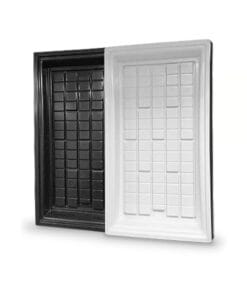
Grow Trays & Flood Tables
Price range: $44.63 through $3,651.95
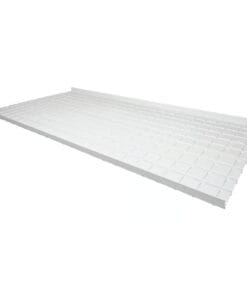
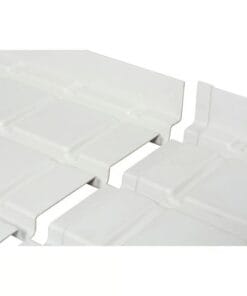
Grow Trays & Flood Tables
$245.95
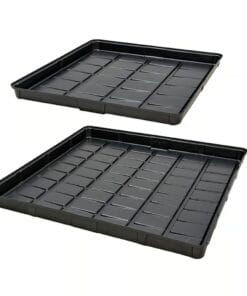
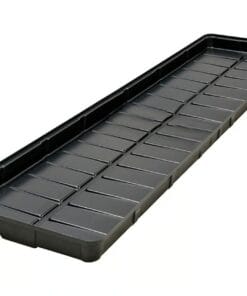
Grow Trays & Flood Tables
Active Aqua Low Rise Flood Tables, Outside Dimensions – Black
Price range: $49.87 through $3,391.95
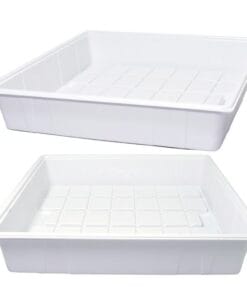
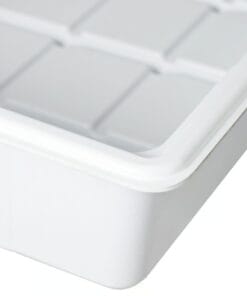
Grow Trays & Flood Tables
Price range: $120.26 through $2,323.95
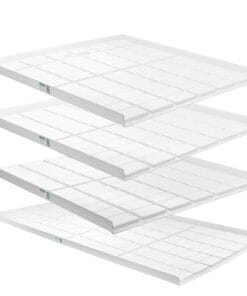
Grow Trays & Flood Tables
$200.00
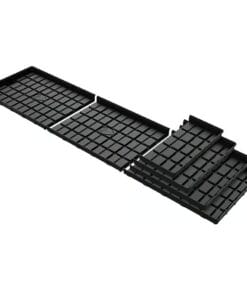
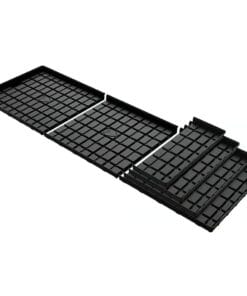
Grow Trays & Flood Tables
$287.95
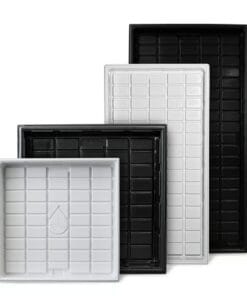
Grow Trays & Flood Tables
Price range: $45.95 through $363.28
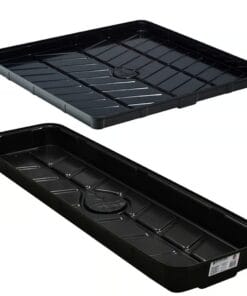
Grow Trays & Flood Tables
Price range: $64.47 through $196.28
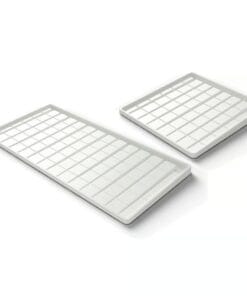
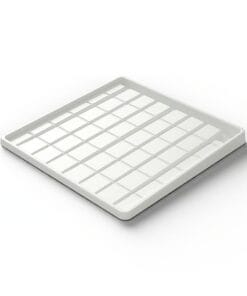
Grow Trays & Flood Tables
Price range: $222.28 through $361.55
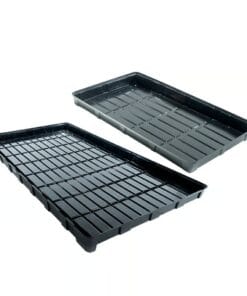
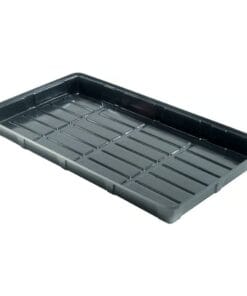
Grow Trays & Flood Tables
Price range: $76.22 through $187.26