
No products in the cart.
At FarmHydroSupplies.com, we understand the importance of having the right equipment for your hydroponic farm. One key component of any grow light system is the ballast. But what exactly does a grow light ballast do?
The ballast serves as the power source for your grow lights. If you’re buying a complete grow light kit from us, the ballast will be included. However, if you’re buying individual components, you’ll need to make sure you have a compatible ballast.
The primary function of the ballast is to provide enough power to start the arc when you turn on your grow light. Once the light is on, the ballast regulates the current, ensuring a steady beam of light. Without a ballast, the grow light could overheat and fail. Additionally, as HID grow lights age, they require more power to operate, and a ballast helps with this.
When shopping for a ballast, it’s crucial to consider the wattage of your grow light. If the ballast’s wattage doesn’t match up with your grow light’s wattage, you’ll experience poor performance. A ballast with too high of a wattage could damage your lamp, while a ballast with too low of a wattage may not be able to start your lamp.
For a standard residential socket, a 120 Volt ballast is suitable. If you’re running a commercial grow operation, you’ll need a higher supply voltage, such as a 240 Volt ballast.
There are two types of ballasts: magnetic and digital. Magnetic ballasts are an older technology, but some growers still prefer them for their simple and reliable operation. They produce no radio frequency interference (RFI), which can be an issue with newer ballasts. However, digital ballasts offer 30% greater efficiency, smaller size, and less heat output.
They also feature a dimmable function, allowing growers to adjust light intensity as needed. The downside of digital ballasts is the RFI they produce, so be sure to choose a ballast with RFI or EFI shielding.
When selecting a ballast, make sure it’s compatible with your grow light system. Ballasts are designed for specific grow lights, so you need to choose one that matches your setup. If you’re using double-ended (DE) bulbs, you’ll need a ballast optimized for DE bulbs. Attempting to use a single-ended (SE) ballast with a DE bulb can cause the lamp to fail.
DE ballasts help extend the lifespan of your DE lighting system and are compatible with both SE and DE grow lights. PUG PUPPIES FOR SALE UNDER 500 NEAR ME
Finally, if you’re using LED grow lights, you don’t need a separate ballast. The driver in the LED grow light system acts as a ballast. LED grow lights are favored by indoor growers because they’re efficient and easy to use. However, once the driver fails, you’ll need to replace the entire LED grow light system.
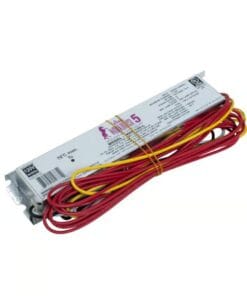
Grow Light Ballasts
AgroBrite Replacement T5 Ballast for FLP/FLT, (2) 4 ft. Bulbs, 120 Volt
$73.83
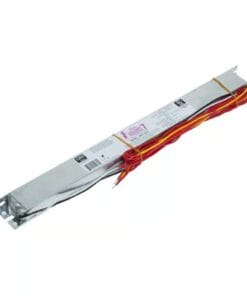
Grow Light Ballasts
AgroBrite Replacement T5 Ballast for FLP/FLT, (4) 4 ft. Bulbs, 120 Volt
$116.93
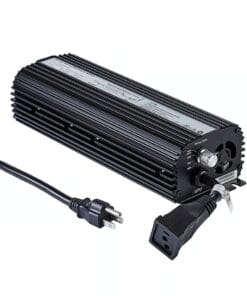
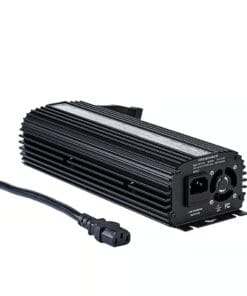
Grow Light Ballasts
$95.00
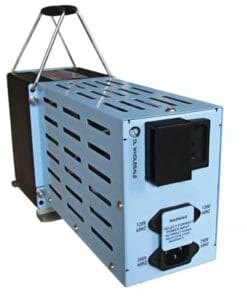
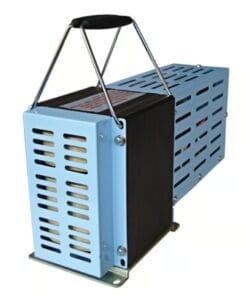
Grow Light Ballasts
DL Wholesale 1000 Watt Hot Head Magnetic HPS Ballast , 120/240V
$98.14
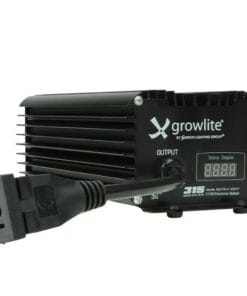
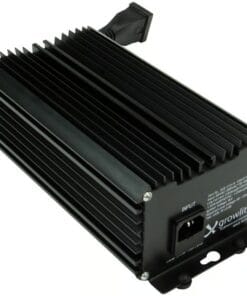
Grow Light Ballasts
Growlite 315 Watt CMH Electronic Ballast, 120/208/240/277 Volt
$147.95
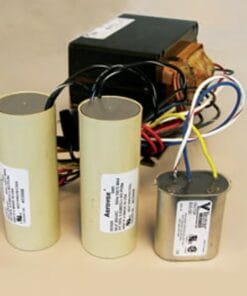
Grow Light Ballasts
$82.28
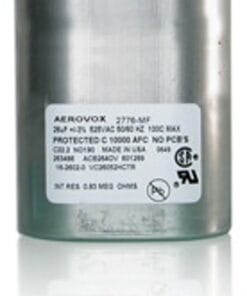
Grow Light Ballasts
$33.13
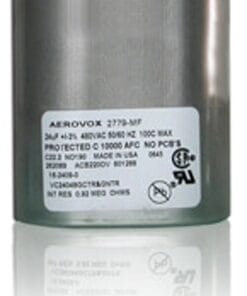
Grow Light Ballasts
$55.89
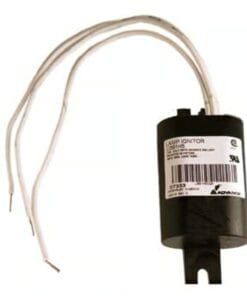
Grow Light Ballasts
$75.54
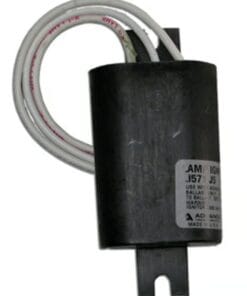
Grow Light Ballasts
$69.49
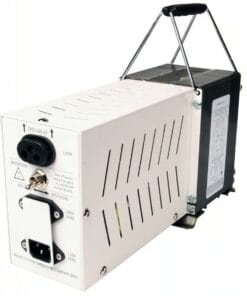
Grow Light Ballasts
Hydrofarm SG Lite 1000 Watt Magnetic Convertible Ballast, 120/240 Volt
$120.80
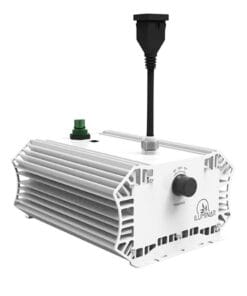
Grow Light Ballasts
Iluminar 1000 Watt Double Ended CMH Remote Ballast, 277 Volt
$200.95