
No products in the cart.
Measuring Pipette
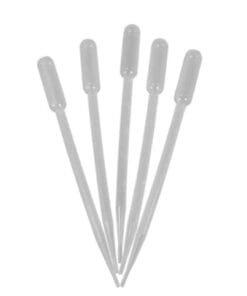
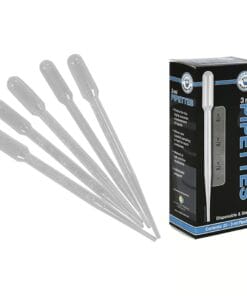
What are the measuring pipettes?
Firstly, Graduatd glass or plastic pipets usd to measure and dispense specific volumes of liquids; liquids are dispensd from measuring or Mohr pipets between graduation marks, and stops before the pipet is completely empty.
How accurate can pipette measure?
However, a good general guide is for the measured amount to be within ±1%. For example, 0.099 g for 100 µL would be ok, but 0.097 would be inaccurate. If your pipette is inaccurate, it’s time to get it calibratd.
What is the difference between a pipet and a pipette?
Further, Pipette and pipet describe completely different liquid handling devices for example, pipette is use for the device that you use pipette tips with, whereas a pipet describes the glass (or plastic) tubes use for serology (serological pipet) and chemistry (volumetric pipet). Measuring Pipette
.How do I know which pipette is more accurate?
Consequently, the volume range of a pipette can significantly impact accuracy and precision. Essentially, the closer the dispense volume is to the total volume of the pipette, the better the results will be. For example, if accuracy and precision are important, users should not use a 100 μl pipette for 10 μl dispenses.
Why do people use pipette?
Maintaining accuracy and precision
Finally, Scientists rely on pipettes to accurately measure and dispense liquid samples. Designd to measure on the microliter scale, micropipettes are engineerd with accuracy and precision in mind.
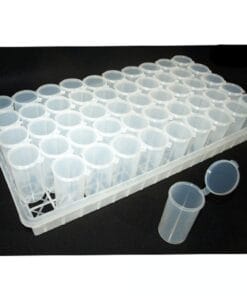
Droppers & Syringes
$47.00
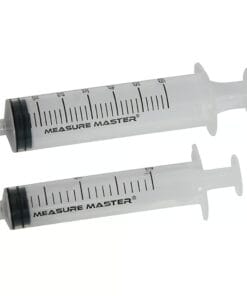
Droppers & Syringes
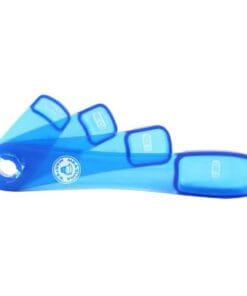
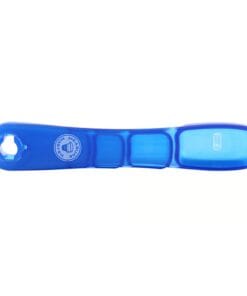
Droppers & Syringes
$36.00
Droppers & Syringes
Price range: $0.90 through $4.12