
No products in the cart.
Uncategorized
Hydroponic farming requirements
24
Feb
Feb
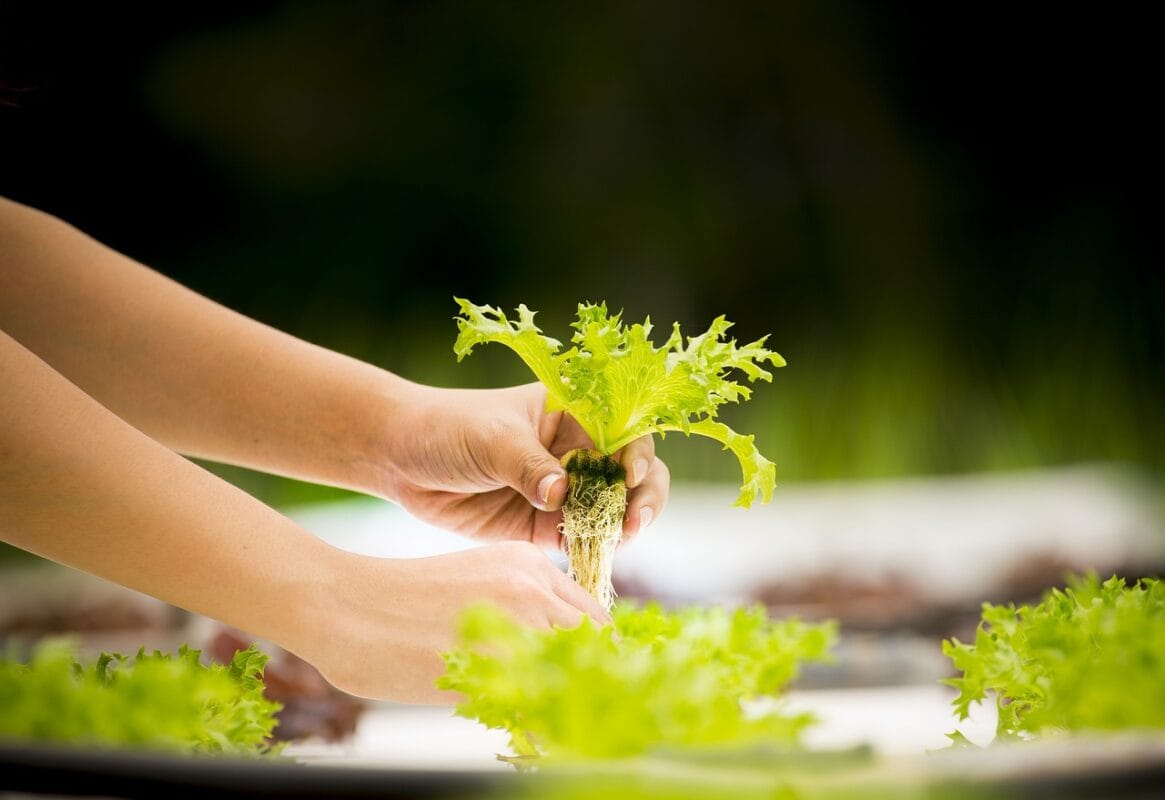
Hydroponic farming is a modern agricultural method that involves growing plants without soil. This method relies on nutrient-rich water to supply plants with the necessary minerals and vitamins to grow and thrive. If you’re interested in starting a hydroponic farm. There are a few requirements that you’ll need to meet to ensure the success of your crops.
Space Requirements
One of the primary benefits of hydroponic farming is that it requires less space than traditional soil-based farming. However, you’ll still need a dedicated area to set up your hydroponic system. Firstly, the size of your grow space will depend on how many plants you want to grow. And the type of hydroponic system you plan to use.
Lighting Requirements
Generally Light is a critical component of plant growth, and hydroponic plants need an adequate amount of light to thrive. If you’re growing plants indoors, you’ll need to provide them with artificial lighting that mimics natural sunlight. LED grow lights are a popular option for hydroponic farmers because they are energy-efficient and can be tailored to meet the specific needs of your plants.
Nutrient Requirements
Therefor, since hydroponic plants don’t grow in soil, they rely on nutrient-rich water. To supply them with the essential minerals and vitamins they need to grow. So, Hydroponic farmers must carefully monitor and. Maintain the nutrient levels in their system to ensure the health and growth of their plants. secondly, many hydroponic farmers use pre-formulated nutrient solutions to simplify the process.
Temperature and Humidity Requirements
Also, temperature and humidity are critical factors in the success of a hydroponic farm. Most hydroponic plants prefer a temperature range between 65-80 degrees Fahrenheit and a relative humidity of around 50%. It’s essential to monitor and adjust the temperature and humidity in your grow space regularly.
pH Requirements
The pH level of your hydroponic system can have a significant impact on the health and growth of your plants. But most hydroponic plants prefer a pH level between 5.5 and 6.5. You’ll need to monitor and adjust the pH level of your system. Regularly using a pH testing kit to ensure that it stays within the optimal range.
Ventilation Requirements
Equally, proper ventilation is critical in a hydroponic system to prevent the buildup of excess moisture. And to ensure adequate airflow around your plants. So, you’ll need to provide a steady flow of fresh air. Into your grow space using fans or an HVAC system.
Pest and Disease Management
In Addition, Hydroponic plants are susceptible to pests and diseases just like traditional soil-based plants. It’s essential to implement a pest and disease management plan to prevent and address any issues that arise. But many hydroponic farmers use natural pest control methods to avoid introducing harmful chemicals into their system.
System Maintenance
So, Hydroponic systems require regular maintenance to ensure that they are functioning correctly. This includes checking and adjusting nutrient levels, monitoring pH levels. And cleaning the system to prevent the buildup of algae or bacteria. Moreover, It’s essential to establish a maintenance schedule and stick to it. To ensure the health and growth of your plants. Hydroponic farming requirements
In conclusion, hydroponic farming requires specific requirements to ensure the success of your crops. These include space, lighting, nutrient, temperature and humidity, pH, ventilation. Pest and disease management, and system maintenance. By carefully monitoring and adjusting these factors, you can create a healthy and thriving hydroponic farm.
