
No products in the cart.
Uncategorized
hydroponics for home
23
Jan
Jan
Hydroponics for Home Use: A Beginner’s Guide to Growing Indoors
Are you curious about hydroponics for home gardening but not sure where to start? Hydroponics is a soil-free way of growing plants using nutrient-rich water, and it’s ideal for home growers who want to enjoy fresh produce all year round, even if they don’t have access to a garden. Whether you’re limited on space or looking for a more sustainable way to grow, hydroponics can be a great fit. Here’s what you need to know.
1. What is Hydroponics?
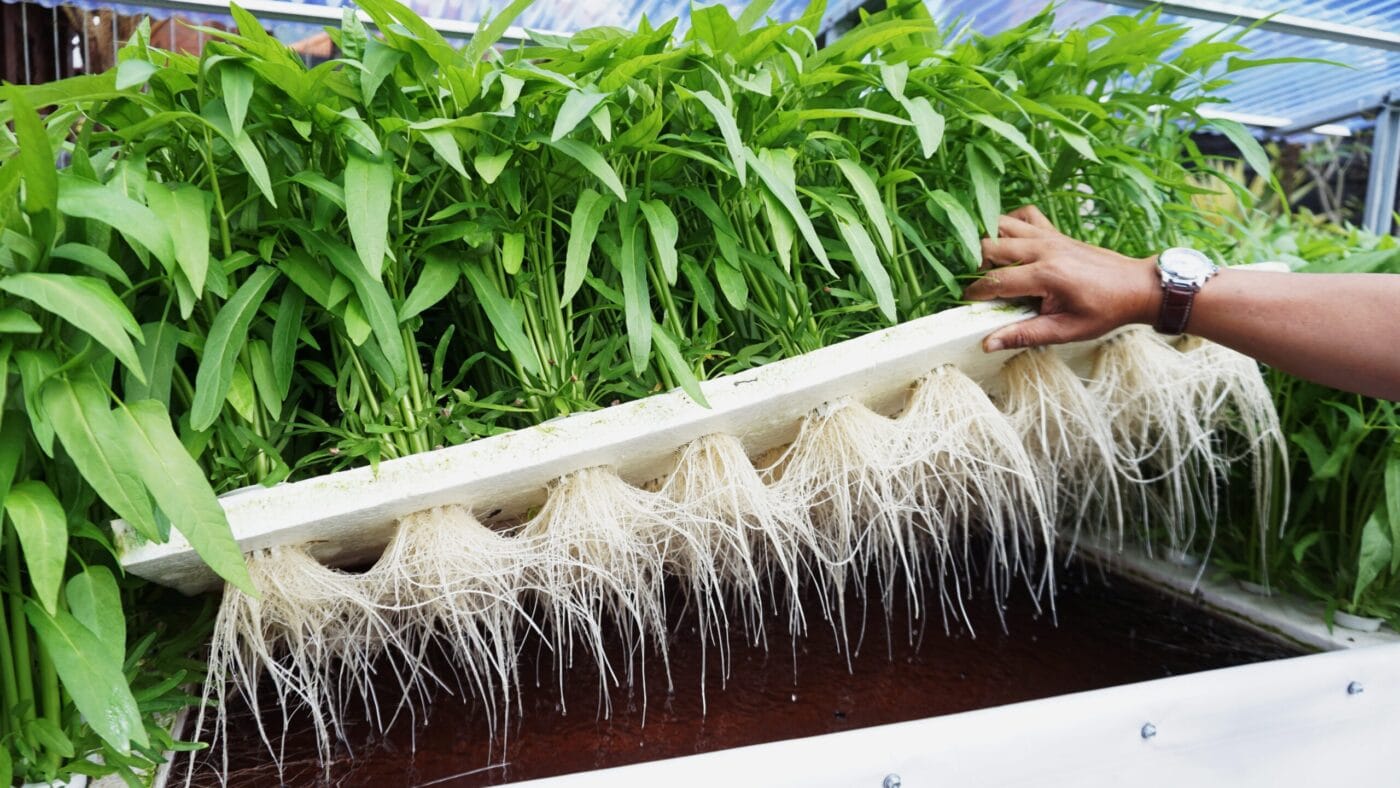
At its core, hydroponics is a method of growing plants in a water-based solution that’s rich in nutrients, rather than in traditional soil. The plants get all the nutrients they need directly from the water, and the system typically requires less water than soil-based gardening. The key benefits of hydroponics are that it can be done indoors, uses less water, and produces faster results compared to traditional gardening.
2. Why Choose Hydroponics for Your Home?
If you’re wondering why hydroponics is a good choice for home gardening, here are some of the main benefits:
- Space Efficiency: Hydroponic systems are perfect for small spaces. You can grow plants in small containers, vertical racks, or even on your kitchen counter, making it ideal for apartments or homes without a lot of outdoor space.
- No Soil: With no soil involved, you don’t have to worry about dealing with pests, weeds, or soil-borne diseases, making it easier to maintain a clean and healthy garden.
- Year-Round Growing: Hydroponics allows you to grow plants indoors year-round, regardless of the weather outside. If you live in a cold climate, you can enjoy fresh, home-grown herbs and vegetables even during the winter months.
- Faster Growth and Higher Yields: Since plants get their nutrients directly from the water, they often grow faster and produce higher yields compared to traditional soil-based gardening.
- Water Efficiency: Hydroponics uses up to 90% less water than traditional farming, making it a more sustainable choice, especially if you’re in an area with water restrictions or want to reduce your environmental footprint.
3. Types of Hydroponic Systems for Home Use
There are several different types of hydroponic systems that you can use in your home, each with its own advantages. Here are a few popular options:
- Deep Water Culture (DWC): In this system, plants are suspended in water with their roots submerged in a nutrient solution. An air pump provides oxygen to the roots. This system is simple and great for beginners, and it works well for growing leafy greens like lettuce and herbs.
- Nutrient Film Technique (NFT): In NFT systems, the plants are placed in a slanted tray where a thin film of nutrient solution flows over their roots. This system is more complex than DWC but is efficient for growing various types of plants, including strawberries and tomatoes.
- Wick System: This is one of the simplest hydroponic systems. A wick draws nutrient solution from a reservoir to the plant’s roots. While it’s low-maintenance and inexpensive, it may not be as fast or efficient as other systems.
- Aeroponics: In this system, the plant roots are suspended in the air and misted with nutrient solution. It’s one of the most efficient methods, but it can be more complicated and expensive, making it better suited for more experienced growers.
- Kratie System (Ebb and Flow): In this system, plants are periodically flooded with nutrient solution, which then drains back into a reservoir. It’s a great option for growing larger plants like tomatoes and peppers.


4. What You’ll Need to Set Up a Home Hydroponic Garden
Setting up a hydroponic system at home isn’t as complicated as it might seem. Here’s a basic list of what you’ll need:
- Hydroponic System: Choose a system that fits your space and growing needs. Kits are available for beginners, or you can DIY your own setup if you’re feeling handy.
- Nutrient Solution: You’ll need to mix water with a specialized nutrient solution to feed your plants. These solutions are formulated to provide the right balance of minerals like nitrogen, phosphorus, and potassium.
- Grow Lights: If you’re growing indoors without access to direct sunlight, you’ll need grow lights to ensure your plants get enough light for photosynthesis. LED or fluorescent lights work well for indoor gardening.
- pH Meter: The pH level of your nutrient solution needs to be monitored and adjusted regularly. A pH meter is essential for keeping things in balance.
- Pump and Tubing: If your system requires water circulation, you’ll need a pump and tubing to move the nutrient solution to your plants’ roots.
- Growing Medium: Even though hydroponics doesn’t use soil, plants still need a medium to support their roots. Popular options include coconut coir, perlite, and hydroton (clay pellets).
- Air Pump/Oxygenation: For systems like DWC, an air pump will keep the nutrient solution oxygenated, helping roots stay healthy and thrive.
5. Which Plants Are Best for Hydroponics?
While you can grow many different types of plants hydroponically, certain varieties tend to thrive more in this environment. These include:
- Leafy Greens: Lettuce, spinach, kale, and arugula are all excellent choices because they have relatively simple root systems and grow quickly in hydroponic systems.
- Herbs: Basil, mint, parsley, cilantro, and oregano all do well in hydroponic systems, and they’re perfect for a small, home garden.
- Strawberries: Hydroponic strawberries can be grown indoors, providing fresh fruit year-round.
- Tomatoes and Peppers: Though they need more space and a more advanced system, hydroponic tomatoes and peppers can be a great choice for home growers looking for higher yields.
- Microgreens: These fast-growing plants are perfect for hydroponic systems and can be harvested in just a few weeks.
6. The Costs of Hydroponics for Home Use
While the initial setup cost for hydroponics can be higher than traditional gardening (due to purchasing systems, grow lights, and nutrients), it can save you money in the long run because it reduces the need for fertilizers, pesticides, and water. You can even grow your own food instead of buying it, which is especially valuable if you live in a location where fresh produce is expensive or hard to come by.
For small-scale home systems, you could start with a basic DIY setup for under $100. Or purchase a ready-to-go hydroponic kit starting at around $150–$300. If you’re looking to scale up to a larger system, costs can range from a few hundred dollars to several thousand, depending on the complexity of the setup.
7. Tips for Success with Hydroponics at Home
- Start small: If you’re new to hydroponics, begin with a simple system and easy-to-grow plants like lettuce or herbs.
- Monitor regularly: Check your nutrient solution, pH levels. And water levels often to ensure your plants are getting what they need.
- Be patient: Hydroponic plants tend to grow faster than traditional ones. But it can still take time to get the hang of maintaining the system.
- Keep it clean: Regularly clean your system to prevent mold, algae, and nutrient buildup.
Conclusion: Hydroponics for Home – A Smart, Sustainable Choice
Hydroponics is an excellent choice for home gardening. Whether you’re limited on space or just want a more efficient and sustainable way to grow food. It’s ideal for growing a variety of fresh herbs, greens, and even fruits, all without the need for soil. While there are initial costs involved, the long-term benefits of hydroponic gardening—fresh, organic produce. Less water usage, and year-round growth—make it a great option for anyone looking to start growing indoors
