
No products in the cart.
Uncategorized
are hydroponics expensive
23
Jan
Jan
Are Hydroponics Expensive? Understanding the Costs and Benefits
When people hear about hydroponics, one of the first things that comes to mind is usually the cost. Are hydroponics expensive? It’s a common question, and the answer depends on the scale of your operation, the type of hydroponic system, and what you’re trying to grow. Let’s dive into the factors that influence the cost of hydroponics and why it might still be worth considering, even if it seems pricey at first glance.
1. Initial Setup Costs
Hydroponics systems require an initial investment in equipment, which can definitely make it seem expensive. Here’s a breakdown of the key components you’ll need:
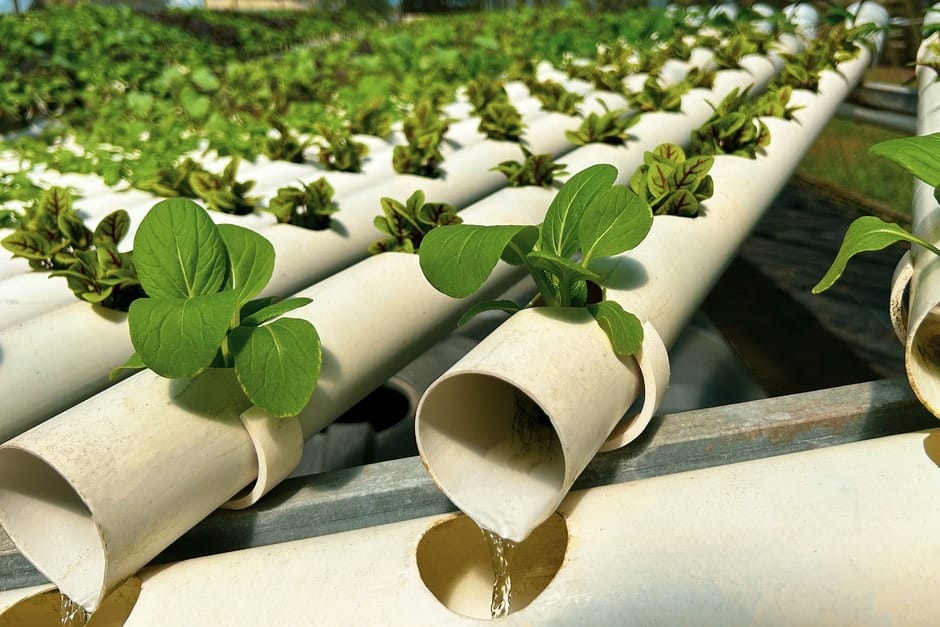
- Growing System: This includes your hydroponic setup, which could range from simple DIY systems to more complex commercial systems. Common types of hydroponic systems include deep water culture (DWC), nutrient film technique (NFT), and aeroponics. DIY setups can cost anywhere from $50 to a few hundred dollars, while more advanced, pre-made systems for larger operations can cost thousands.
- Grow Lights: If you’re growing indoors, you’ll need grow lights, which can be a significant cost, especially if you’re using high-quality LED lights or full-spectrum lights. These can range from $100 to over $1,000 depending on the size of your growing area.
- Nutrient Solutions: Hydroponics uses water-based nutrient solutions to feed plants. The cost of these nutrients can add up over time, but they’re generally cheaper than purchasing traditional soil and fertilizers for conventional gardening.
- Water Pump, Tubing, and Accessories: For most hydroponic systems, you’ll need a water pump, air pump, and tubing to circulate the nutrient solution. These accessories usually range from $50 to a couple hundred dollars, depending on the system size.
2. Operational Costs
Once your system is set up, there are some ongoing costs to consider, such as:
- Electricity: If you’re using grow lights and pumps, your electricity bill might rise. However, modern LED lights are energy-efficient and can help keep this cost lower. The power consumption will depend on the size of your operation and whether you’re growing year-round or seasonally.
- Water: Although hydroponics uses less water than traditional soil-based farming, it still requires water, and you’ll need to top off the nutrient solution regularly. For home growers, the water cost is usually minimal, but larger operations may notice an increase in utility costs.
- Nutrients: Regular replenishing of nutrient solutions is necessary. Over time, the cost of organic or high-quality nutrients can add up, but since hydroponics generally requires less water and fewer inputs, the overall cost per plant can still be lower compared to traditional farming.
3. Is Hydroponics More Expensive than Traditional Farming?
When comparing hydroponics to traditional soil-based farming, hydroponics can sometimes be more cost-effective, especially in areas with poor soil quality or where water resources are limited. While the initial setup may be higher, the water savings and reduced need for pesticides can offset some of these costs. Plus, because hydroponics allows for year-round growing in controlled environments, it’s possible to produce food in off-seasons, increasing yields and providing a steady income stream for commercial growers.
4. Hydroponics on a Small Scale vs. Large Scale
For personal or small-scale growers, hydroponic systems can be relatively affordable. A simple countertop system might cost only $50–$100, making it a great option for home gardeners looking to grow herbs, leafy greens, or small vegetables indoors. As you scale up for larger operations, the costs increase significantly, but the benefits—such as high crop yields, quicker growth cycles, and the ability to grow in areas with poor soil—can make it worthwhile.
5. Is the Investment Worth It?
While hydroponics can be expensive upfront, there are many benefits that can make it worth the investment, especially in the long run. These include:
- Higher Yields: Hydroponic systems tend to produce higher yields in a shorter amount of time compared to traditional farming, which can translate into a better return on investment.
- Water Efficiency: Hydroponics uses up to 90% less water than traditional farming, which can save money if you live in an area where water is costly or scarce.
- Reduced Pesticide Use: Fewer pests mean less need for pesticides, which can be both costly and harmful to the environment.
- Space Efficiency: Hydroponic systems can be set up vertically or in small spaces, making them ideal for urban farming or areas where traditional farming space is limited.
Conclusion: Are Hydroponics Expensive?
So, are hydroponics expensive? It depends. For small-scale, home-use systems, the cost is relatively affordable, but for larger, commercial operations, the initial investment can be significant. However, when you consider the long-term benefits—such as higher yields, less water usage, and fewer chemicals—the overall cost may be justified. Plus, the ability to grow fresh produce year-round, even in limited spaces, adds a lot of value.
If you’re just starting out or want to experiment with hydroponics at home, a small system could be a great way to get your feet wet without breaking the bank. For those looking at larger-scale setups, it’s important to plan ahead, calculate the potential returns, and carefully choose the right system for your needs.
