
No products in the cart.
Uncategorized
can hydroponics be organic

23
Jan
Jan
Can Hydroponics Be Organic?
When it comes to hydroponics, many people wonder, Can hydroponics be organic? After all, hydroponics typically involves growing plants in a water-based system with nutrient solutions instead of soil. So, how does organic farming fit into the picture?
1. The Basics of Organic Farming
In traditional farming, organic certification is based on growing methods that avoid synthetic pesticides, fertilizers, and genetically modified organisms (GMOs). Organic farmers also prioritize soil health and avoid harmful chemicals. But when it comes to hydroponics, it’s a little trickier since soil isn’t part of the equation.
2. Organic Hydroponic Systems
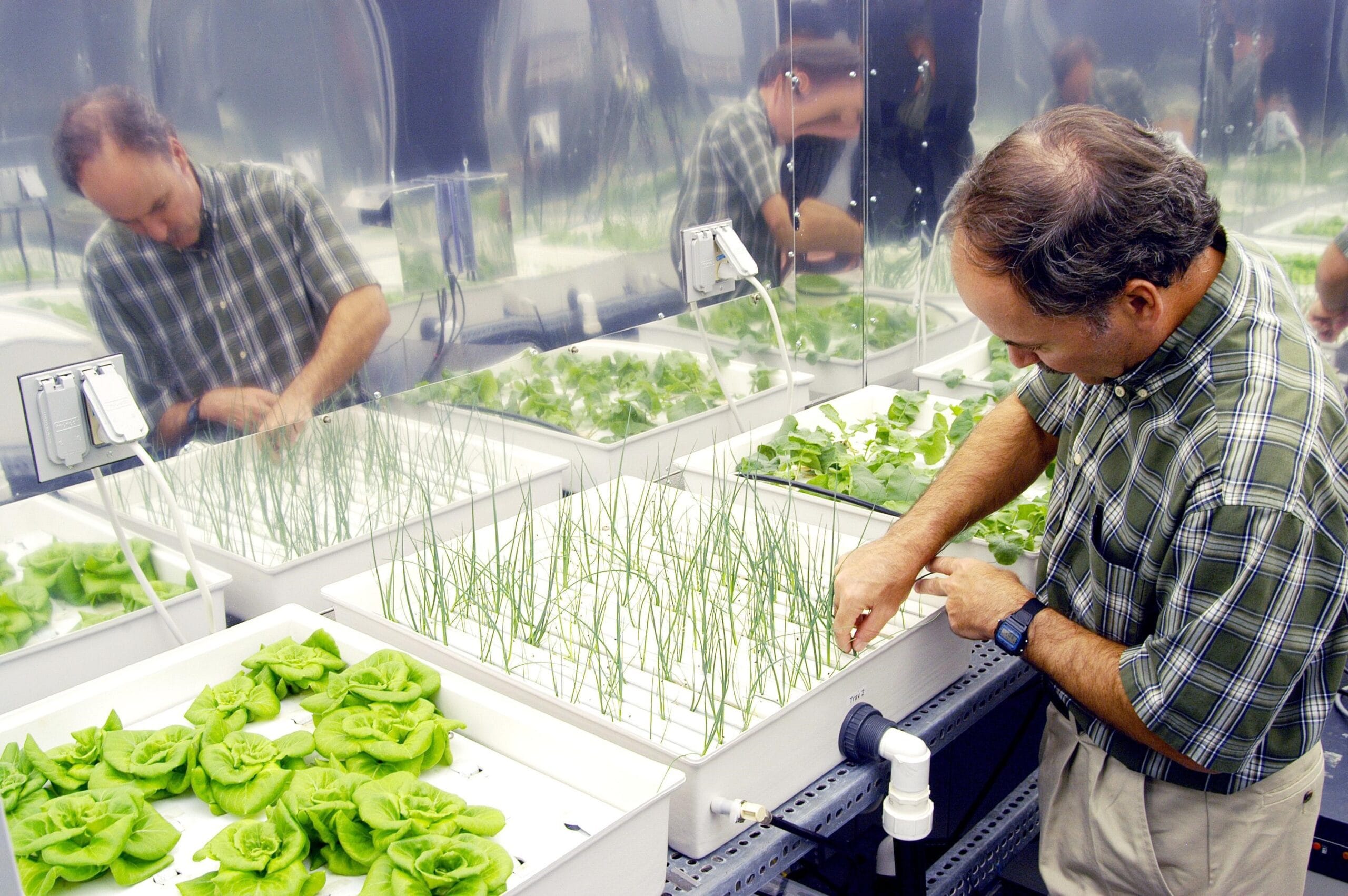
Yes, hydroponics can be organic, but there are specific standards and methods that must be followed to make that claim. Organic hydroponics typically involves using:
- Natural Fertilizers: Organic hydroponic systems use natural, plant-based, or mineral fertilizers that are free from synthetic chemicals.
- Biological Pest Control: Rather than relying on synthetic pesticides, organic hydroponic systems often use natural methods for pest control, such as beneficial insects or biological sprays.
- Non-GMO Seeds: Just like traditional organic farming, organic hydroponic growers avoid genetically modified organisms and use non-GMO seeds.

3. Challenges in Organic Hydroponics
One of the challenges in making hydroponics organic is the nutrient solution. In traditional organic farming, soil is teeming with microbes that break down organic matter into usable nutrients for plants. In hydroponics, there’s no soil, so the grower must rely on nutrient solutions—many of which are derived from mineral salts or synthetic sources.
However, there are some organic-approved nutrient solutions on the market. These use natural ingredients like fish emulsion, compost tea, or seaweed extracts to create a nutrient mix for plants. Organic certifying bodies are beginning to approve certain hydroponic systems that meet these requirements, though not all hydroponic farming practices are considered organic under certification standards.
4. The Certification Process
To truly call a hydroponic operation “organic,” it needs to be certified by an accredited organic certification body. In the U.S., the USDA National Organic Program (NOP) has guidelines for organic farming, but they have been slow to fully include hydroponics under their organic certification. As of now, organic hydroponic farms can still be certified organic, but they must follow strict rules on inputs (like nutrients and pest control methods) and avoid prohibited chemicals.
5. The Future of Organic Hydroponics
The conversation around organic hydroponics is evolving. Some experts argue that hydroponics, even organic hydroponics, might not align with the core principles of organic farming, particularly because it doesn’t focus on soil health. However, many growers feel that organic hydroponics still meets the spirit of organic farming—producing healthy, chemical-free, and sustainable food.
Conclusion: Organic Hydroponics is Possible
So, can hydroponics be organic? The answer is yes, but it’s all about the methods and materials used. With the right organic fertilizers, pest management, and careful attention to environmental sustainability, hydroponic farming can be done in an organic way. If you’re looking for organic hydroponic produce, be sure to look for certification or ask growers about their methods to ensure you’re getting the real deal.
